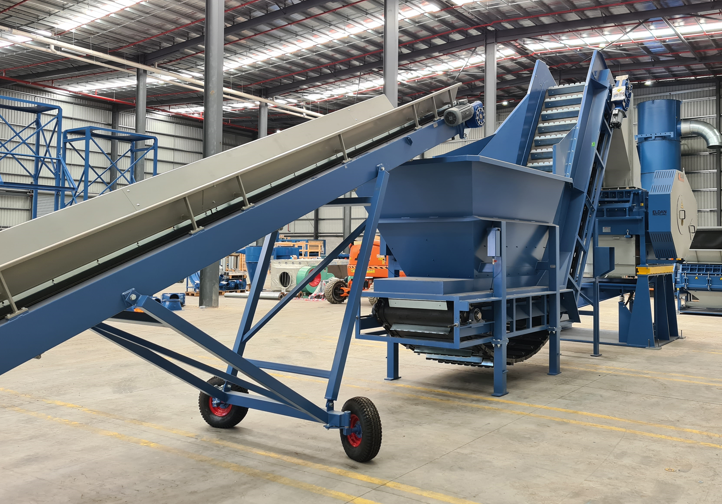
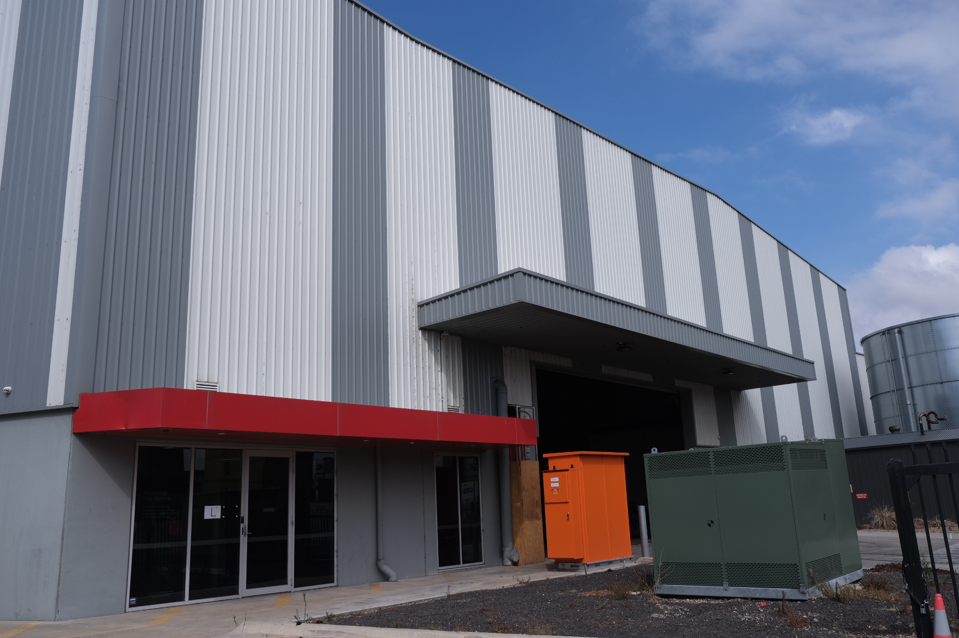
ARP provided engineering services for the development of a new Australian tyre manufacturing plant in Melbourne.
As part of a push to improvise the sustainability of steel manufacturing, crumbed tyres are now used in the steel making process, an improvement that is actively reducing the amount of tyres going to landfill.
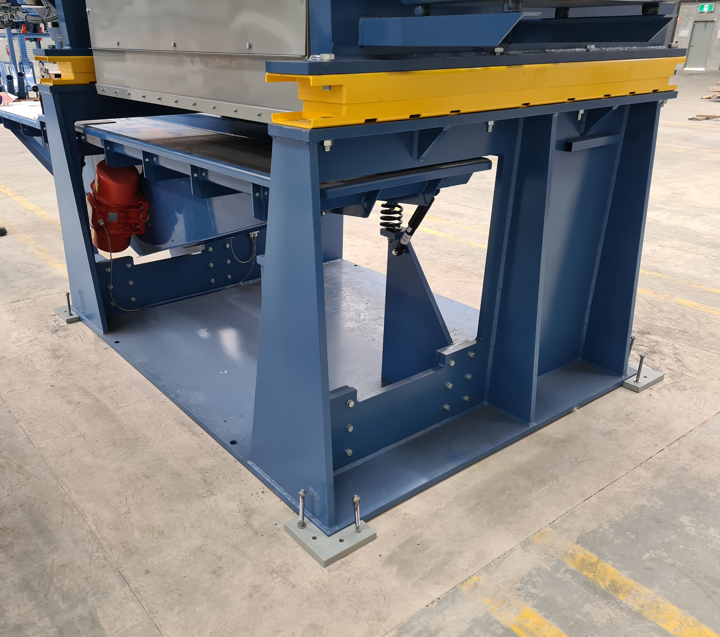
ARP provided structural engineering review of imported items of plant, advice on compliance to Australian Standards, engineering of modifications to the plant, engineering of foundations for machinery and an overall structural assessment of the building for support of piping, services and exhaust stacks.

The recycling equipment imposed substantial static and dynamic loads, including vibration and torque effects. The new plant relied on large, high-torque machines that needed stable foundations. ARP designed reinforced plinths and slabs that could carry heavy equipment loads while also managing vibration and long-term wear. Some plinths were designed to be removable, giving the client flexibility for future upgrades, while others were built as thickened ground-bearing slabs to support permanent machinery.
An essential part of the project was the design of two high-capacity tyre storage bunkers. These structures provide safe and efficient storage for tyres before they are processed, and were engineered to withstand the pressure of stacked tyres and impact of forklifts during loading. The roof system was designed to tie the precast walls together, creating an integrated structure that maintains stability in day-to-day use. Having both performance and construction sequencing under consideration, ARP ensured the bunkers could be built efficiently while remaining robust over their service life.
To manage electrical process services, ARP designed a custom bracket system that supports cable trays and pipework around the plant. The system was developed to be strong enough for heavy service loads, while remaining straightforward to install and maintain. The facility also required roof modifications to accommodate two 15 metre high process stacks. ARP redesigned the surrounding roof framing to maintain structural integrity, and engineered a guy wire system to stabilise the stacks against wind forces. In addition, we assessed the roof’s ability to support a new 20 metre horizontal duct. Our analysis confirmed that the existing portal frame could safely carry the additional load without strengthening, avoiding extra cost and disruption to the project.
ARP delivered a coordinated engineering solution to the Autocycle facility through combining a new structural design with careful verification of existing building elements. With stable foundations, secure anchorage, safe storage and reliable roof systems, the facility is equipped to deliver sustainable tyre recycling well into the future.


Victoria
Western Australia
Queensland
New South Wales
Tasmania
Australian Capital Territory
Northern Territory
South Australia